

Loading…
Most courses give you worked solutions. We make you work the chart.
The interactive lessons put a real manufacturer's chart in front of you and make you click the value yourself. A step will not open the next one until you have it right, and if you miss it twice the correct cell starts glowing rather than leaving you stuck.
Why it mattersReading somebody else's worked solution teaches you that one answer. Finding it yourself teaches you the method — and the exam hands you a chart you have never seen before.
The charts are stored as data, not scanned PDFs, so they stay sharp at any zoom and are readable on a phone. Tap any value and its row and its column light up the whole way across.
Why it mattersMost load chart mistakes are not arithmetic. They are reading the wrong line on a dense table — which is exactly the mistake that highlight is there to stop.
Practice exams run timed, one question at a time, with an on-screen notepad, a highlighter, strikethrough, and a way to mark a question and come back to it — and no calculator on Core, because the real Core exam does not give you one.
Why it mattersOn test day the material should be the only hard part. Nobody should be working out how the software behaves while the clock runs.
Every answer you give is filed against a subject, and your statistics page ranks those subjects by how you have actually scored — including the drills.
Why it mattersStudy time is the thing you have least of. Ranking your own weak spots from your own answers is how you spend it where you are losing points instead of revising what you already know.
Ask an instructor from inside the lesson you are stuck on, any day you are studying. Paste a screenshot straight into the message. They can see which lesson it came from, so the answer comes back specific.
Why it mattersA question bank can tell you that you were wrong. It cannot tell you why, and why is the only part that stops it happening again.
Questions are added, lessons are corrected and sharpened, and everything new is included in what you already pay.
Why it mattersA course bought once is frozen on the day you buy it. This one is a better course next month than it is today, at no extra cost.
These are the actual screens, with actual questions from the bank on them — not mock-ups. Everything here is open in the free demo, without paying and without an account.
Practice exams
Full-length papers, timed, one question at a time — with the same on-screen notepad, highlighter and strikethrough you get on the day, and no calculator on Core, because the real Core exam does not give you one.
Take any of them as many times as you like. Nothing is scored against you here except by you.
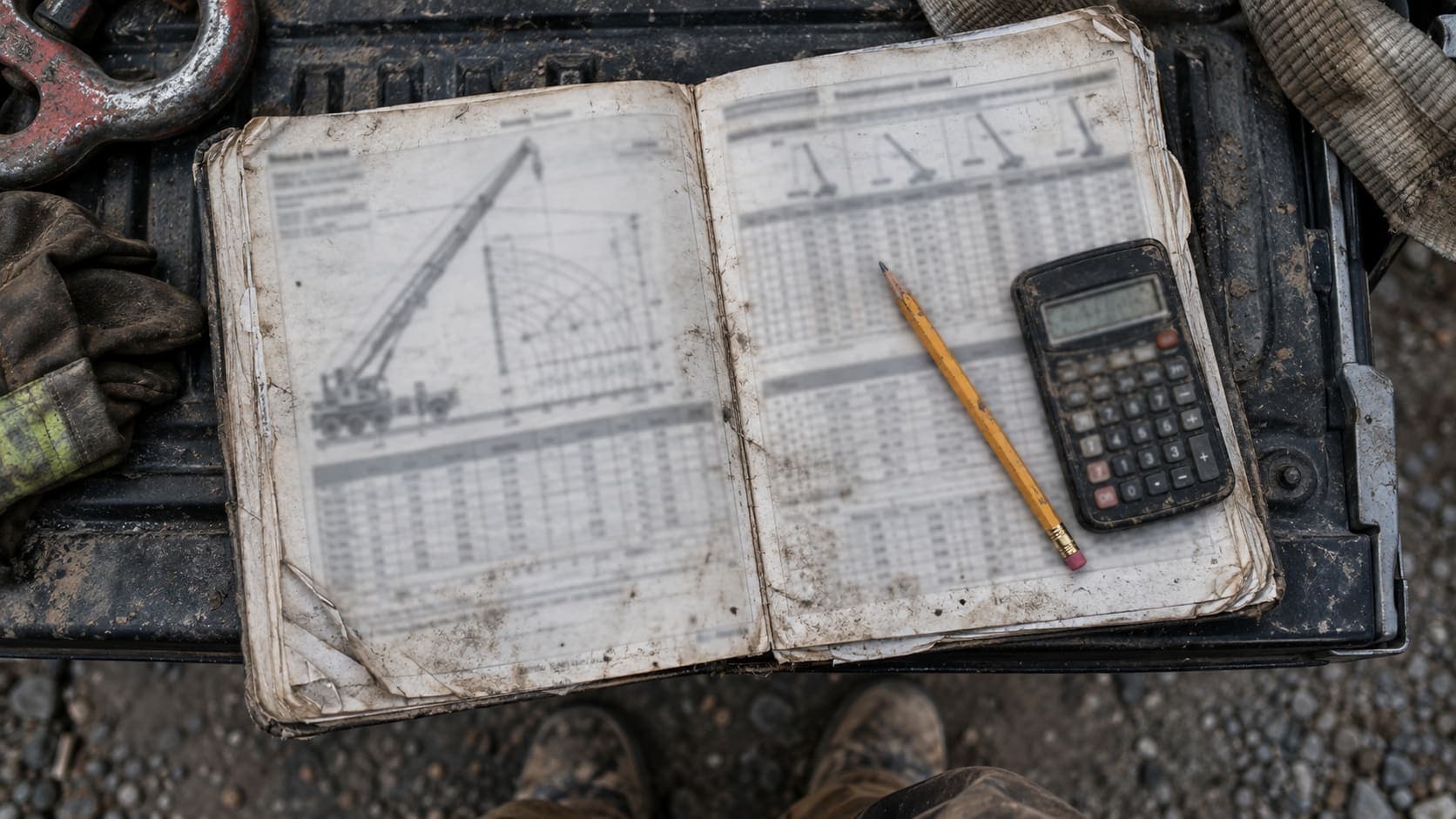
All of it, on one plan. Nothing sold separately, nothing held back for a higher tier.
Full, detailed lessons that cover crane and rigging operations from the ground up: site, operations, rigging and load charts, each course ending in practice exams.

On your own time
One account on your PC, your tablet and your phone. No days off work, no travel, no classroom waiting on everybody to keep up.
A classroom course that teaches the written exam and nothing else runs $500 – $1,000, before you have driven anywhere. 2 months here is $100.
What a crane school can do that we cannot: put you on a machine. The practical needs seat time you arrange yourself, and some schools bundle that and the exam fees into their price.
Most are bought once and come with a clock on them — as little as 60 days. Ours is month to month, the bank keeps growing, and it is still here the next time you need it.
Bought once and kept forever, a smaller bank can work out cheaper than we do over a long run. What it will not do is grow.
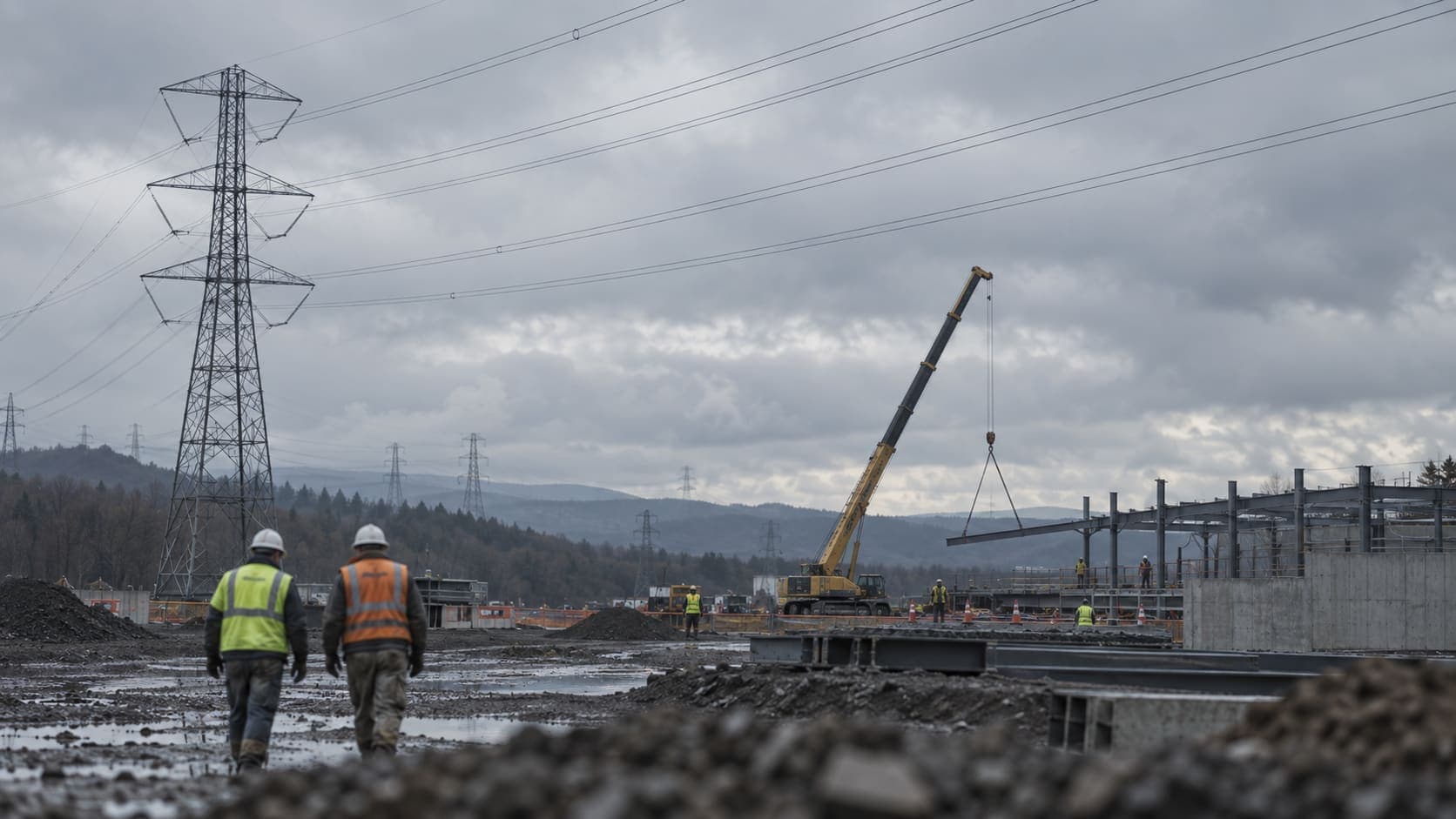
For companies
Sending operators to a classroom means losing them for days and paying travel on top of tuition — a seat on a written-exam course runs $500 – $1,000 before anybody has driven anywhere. Here it is $100 per operator for 2 months, from the yard, the truck or at home.
Open the demo without an account, or register free and take the 25-question practice exam.
In which direction is a mobile crane usually weakest and least stable?
A real question from the free demo. The question number, timer and answered count are examples.
Load charts
Load charts are where most people lose the exam, so this is where we spend the most time. The crane's set-up sits above the question and the manufacturer's chart sits beside it, exactly as it does on the day.
In the lessons the same question is worked a step at a time: you find each value yourself, it is checked before the next step opens, and every step says which rule it used.
Read the free load chart guides — no account needed
What is the gross capacity of this crane over the side?
Lifting Capacities
| 35.5 Ft. | 45 Ft. | ||||
|---|---|---|---|---|---|
| Load Radius in Feet | Loaded Boom Angle (Deg.) | 360° | Over Front | Loaded Boom Angle (Deg.) | 360° |
| 12 | 65.0 | 100,000 | 100,000 | 71.0 | 87,200 |
| 15 | 59.5 | 90,800 | 90,800 | 66.5 | 82,500 |
| 20 | 49.5 | 71,400 | 71,400 | 59.5 | 67,400 |
| 25 | 37.5 | 55,800 | 56,300 | 51.5 | 55,100 |
A real question and the real capacity table it is answered from, cut down to fit here. The lit row and column are the site's own behaviour when you tap a value.
Your scores
Every question you answer is filed under a subject. Your statistics page ranks those subjects by how you have actually scored, so you stop revising what you already know.
Split by the four subject areas the written exam is built from, updated as you answer, and it counts the drills too.
76%
Core readiness
1,284
Answered
31
Day streak
Study Load Chart Problems next
Your weakest topic, worked out from your own answers.
The topics are the real ones the question bank files answers under. The scores and counts are examples — you start with none.
Four free demos: Core lessons, the interactive load chart lessons, and both exam screens.
No account, no card.
Short, timed practice tests put together at random from the question bank every time you start one, so you are never just memorizing the same test.
Learn load charts one step at a time. Our interactive lessons walk you through a real question on a real chart, and check each answer before the next step opens.
Practice in a timed test built like the real one: on screen, one question at a time, with an on-screen notepad and no calculator on Core. Don't get caught off guard.
Not sure where to begin? Follow the Refresher Pathway and take the courses one step after the next, with only the Core and specialties you need.
Built on OSHA 1926 Subpart CC, OSHA 29 CFR 1910.180 and the ASME B30 series. Each lesson says which one it is quoting.
Stuck on a question? Don't understand an answer? Ask an instructor from inside the lesson, and a real person replies with the help you need.
Every answer is filed by subject. Your statistics show where you excel and where you struggle, and point you at what to study next.
Earn achievements as you study, keep a daily drill streak going, and see where you stand on the top 10 for exams and drills over the last 30 days.
Talk the material through with other operators and students, or just have a good time. Post under your name or anonymously.
Works on desktop PCs, tablets and mobile phones, so you can study wherever you are, any time. Your progress, scores and statistics follow you between them.
| Us |
|---|
| Other online prep courses |
|---|
| What you pay | $50 a month | $95 – $550, paid once |
|---|---|---|
| How long you keep it | As long as you subscribe. Stop the month you pass. | A window set at purchase — 60 days to 365, or no expiry |
| Questions in the bank | 1,096, counted out of the live bank today | 200–515+ advertised |
| Load charts | Worked step by step on a real chart. You find each value yourself and it is checked before the next step opens. | Practice problems with written solutions |
| New material | Added as we write it, at no extra cost | What was in it on the day you bought it |
| If you have to retest | Still there. Resubscribe for a month and carry on. | Depends whether your window has run out |
Neither column puts you on a crane. This and every course in the right-hand column prepare you for the written examination. The practical is taken on a real machine at a test site, and the seat time to be ready for it is something you arrange yourself. Figures are what these programs publish about themselves, checked in September 2026 and quoted as ranges; prices and access windows change, so check theirs before you compare. Bought once and kept forever, a smaller question bank can work out cheaper than we do over a long enough run — what it will not do is grow.
You do not have to pick one. This is the thing you open at night when the class got ahead of you, and it is still open the week after the course has finished and everybody has gone home.
Before a class
Turn up already knowing the material, so the parts they race through are revision instead of the first time you have seen them.
Alongside one
Go back over whatever lost you that day, at your own speed, as many times as it takes. Ask an instructor here if it still will not land.
After a fail
You resit one exam, not the whole course. Your statistics say which topics did it, and a month here costs a fraction of another tuition.
$50 a month. Sitting the Core written exam costs $140, and going back for another attempt means paying an exam fee again — on top of whatever the course cost the first time (current fees: nccco.org/fees).
See the whole bill itemised — ours, a classroom course's and the exam fees side by side, with the sources.
Pick “Training for a company or crew” on the form and tell us roughly how many operators.
| 30 |
|---|
| 20.0 |
| 38,700 |
| 40,500 |
| 43.0 |
| 38,300 |
| 35 | - | - | - | 32.0 | 28,300 |
|---|
| 40 | - | - | - | 15.5 | 21,800 |
|---|